
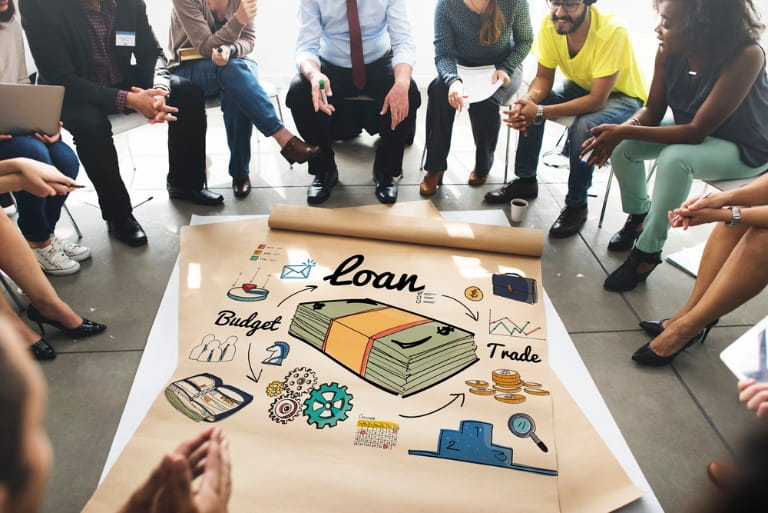
The nature of borrowing is evolving rapidly in today’s modern society. Consumers are no longer borrowing solely out of desperation or in response to emergencies; instead, they are adopting a proactive approach by aligning their borrowing with carefully defined financial goals.
Research indicates that by 2025, nearly half of borrowers will utilize loans to enhance their quality of life—purchasing items such as smartphones, major home appliances, or upgrading vehicles—rather than merely addressing unexpected expenses.
This new trend signifies a significant transformation in borrowing motivations, particularly for households seeking to achieve personal and professional growth. These households are also seeking flexibility from reputable lenders such as MaxLend to make these ambitions a reality.
Today’s borrowers wear multiple hats: they are both consumers and, increasingly, entrepreneurs. Approximately a quarter of all new loan applications are for launching or expanding small businesses, reflecting an enterprising spirit that drives innovation and self-sufficiency.
In this landscape, consumers expect much more than the loan amount—they want value-added services, financial guidance, and products tailored to their unique situations. As a result, the process of selecting lenders and loan types becomes a strategic part of their financial game plan, often influencing their long-term stability and growth prospects.
This evolving borrowing environment suggests that modern credit is viewed as a potent tool for empowerment rather than simply a lifeline in times of distress.
Thanks to advances in technology, even first-time borrowers can easily find customized loan products tailored to meet their long-term objectives, such as funding further education, home improvements, or investing in new business opportunities.
Borrowing thoughtfully now involves meeting both immediate needs and creating value over the long run, thereby building a solid financial foundation for the future.
The abundance of loan choices and unprecedented data transparency has given consumers new leverage.
Today’s borrowers can access robust financial information, calculators, and comparison tools online, which helps them thoroughly vet potential loans.
Careful analysis of fees, interest rates, and repayment schedules, combined with open access to user reviews and ratings, makes it easier to avoid pitfalls and choose the most suitable lenders.
For deeper insights into how borrowing shapes economic well-being, consumers are encouraged to review industry reports and news from primary financial news sources that regularly examine these trends in detail.
Embracing Digital Lending Platforms
The rise of digital technology has revolutionized virtually every financial process, including borrowing.
New-generation digital lending platforms offer near-instantaneous loan approvals, eliminating the paperwork and bureaucratic hurdles that once made borrowing a slow and sometimes frustrating process.
These improvements particularly resonate with Gen Z and Millennials, who are accustomed to seamless digital experiences and expect the same efficiency in their financial interactions.
In fact, the footprint of digital retail loans has expanded significantly over the past two years, and current industry projections indicate that by 2028, such loans could represent up to 5% of all retail borrowing in select global markets.
Digital lenders continually refine their customer experience, offering user-friendly mobile apps for loan applications, transparent dashboards for tracking payments, and flexible repayment plans that cater to various financial situations.
This agility allows these platforms to serve a broader spectrum of the population, including those who may not have a traditional credit history or access to conventional banking infrastructure.
In rapidly developing regions, where fintech innovation is booming, digital lending bridges the finance gap and promotes greater financial inclusion, empowering millions to participate more fully in the economy.
Despite the undeniable convenience, borrowers need to exercise caution when navigating digital lending platforms.
Before entering into any agreement, consumers should carefully review the provider’s credentials, security measures, data protection policies, and customer feedback. Vigilance toward potential scams, hidden fees, or exploitative interest rates is essential, as is reading all terms and conditions in detail.
By practicing responsible comparison shopping and developing familiarity with digital finance terminology and privacy standards, consumers can safeguard their interests in this digital-first era. For a closer look at the impact and future trajectory of the digital lending market, consult recent analyses from reputable sources, such as Forbes.
Strategies for Maintaining Financial Health
With daily costs on the rise and many families feeling the pinch of stricter budgets, adopting smart borrowing habits has never been more vital for overall financial wellness.
It begins with a transparent and honest assessment of your financial needs before applying for a loan. Consider whether a proposed loan will tangibly benefit your household—by supporting essential purchases or creating future earning potential—or if it’s driven by the desire for luxuries that could strain your finances.
Practicing mindful spending helps ensure borrowed money adds real value without jeopardizing future security. Below are some well-established strategies to maintain balance:
- Assess Financial Needs: Ask yourself if the loan will genuinely improve your living conditions, support an entrepreneurial project, or merely provide a temporary solution for non-essential wants. Borrow for the right reasons.
- Compare Loan Options: Invest time in researching at least three lenders to compare interest rates, customer service, transparency, and loan terms. Avoid making decisions solely based on convenience, as predatory lenders often target individuals who are in a hurry.
- Understand Terms and Conditions: Carefully read all disclosure documents, focusing on interest rates, payment schedules, late fees, and early repayment penalties. Knowing the details upfront means fewer surprises and more reliable planning for repayment.
- Maintain a Good Credit Score: Make it a priority to pay all obligations on time. Consistently managing repayment not only prevents penalties but also enhances your creditworthiness, granting access to better loan products and lower interest rates in the future.
The Role of Financial Education
Financial education is the bedrock of responsible borrowing. Without a foundational understanding of subjects like interest calculations, compound debt growth, budgeting, and credit management, consumers may unknowingly fall into costly financial traps.
The digital age has opened the door to valuable knowledge, with online courses, informative blogs, community seminars, and expert advisors providing practical, easily accessible guidance. Many of these educational resources are free or low-cost, making them accessible to anyone seeking clarity or confidence in managing their personal finances.
Furthermore, organizations and governments worldwide are broadening their financial literacy campaigns to ensure that people from all walks of life have access to the tools they need to make sound decisions.
Developing these skills enables consumers to navigate loan options confidently, repay debt responsibly, and establish habits that foster long-term financial well-being. For actionable, step-by-step advice on borrowing and personal finance, explore reputable sources like NerdWallet.
Conclusion
Smart borrowing habits are crucial for success in today’s complex financial ecosystem. Modern consumers must prioritize their long-term well-being, actively seek out and utilize digital solutions with care, and never underestimate the value of ongoing financial education.
The move from need-based to purpose-driven borrowing marks a significant shift toward empowerment and self-determination.
By making borrowing choices rooted in careful planning and informed judgment, individuals are better positioned to weather financial storms and build sustainable wealth for themselves and their families.
Let intention and knowledge be your compass whenever considering a loan, ensuring you not only avoid unnecessary debt but also pave the way toward lasting financial security.