
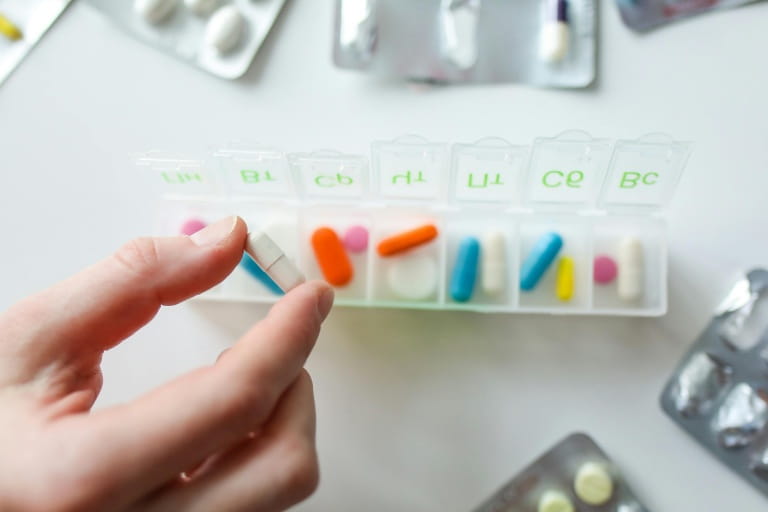
Somewhere between biohacking forums and wellness group chats, microdosing GLP-1 emerged as a talking point. This is not a typical medication or a supplement, but something that sits in the grey zone of personal optimization. It’s less about dramatic weight loss and more about recalibrating the internal dial that controls hunger, focus, and energy.
The change is not just medical but rather a cultural shift.
What Microdosing GLP-1 Represents
Microdosing GLP1 has entered conversations among creative professionals, remote workers, and wellness enthusiasts who treat their bodies like a system that requires fine-tuning. The concept is simple: take a fraction of the standard dose to influence appetite and metabolism without the intensity of full prescription use.
The appeal is a controlled optimization that doesn’t disrupt your life, but subtly improve how you move through it. This isn’t about shocking before-and-after photos but rather about feeling steadier, clearer and more like the version of yourself you prefer.
From Diet Culture to Metabolic Minimalism
Diet culture used to demand extremes. Juice cleanses, keto zealotry and hours by the gym fueled by guilt and comparison. Today’s approach favors regulation over restriction, gentle adjustments over punishing overhauls. Microdosing fits this philosophy perfectly. Instead of willpower battles and calorie spreadsheets, people are exploring metabolic interventions that require less mental strain. The key differences between old and new approaches:
- Extreme restriction versus steady regulation.
- Willpower-driven versus system-supported.
- Visible sacrifice versus invisible adjustments.
- Short-term intensity versus long-term integration.
Is Microdosing GLP-1 a New Form of Bio-Aesthetic?
People curate their internal states the way they curate Instagram grids. Supplements stack neatly on countertops. Therapy becomes part of the weekly rhythm. Metabolic tools join the roster of choices that signal self-awareness and intentionality. Wellness has become visible in how people show up socially, and not just physically. The elements of modern bio-aesthetic culture include:
- Supplements as daily rituals and social markers.
- Metabolic tools as part of personal infrastructure.
- Therapy and self-work as expected maintenance.
- Biometric tracking as self-knowledge.
The Ethics of Editing Yourself
This territory raises questions. The line between choice and expectation can blur quickly. A common question that pops up is “When metabolic fine-tuning becomes normal, does it shift from personal freedom to a cultural change?” The tension around “natural” versus “engineered” change persists.
Some see microdosing as practical problem-solving while others view it as crossing an invisible boundary. Both perspectives matter. What feels empowering to one person may feel like surrendering to pharmaceutical culture for another. The privilege in these choices, including financial access, medical literacy and time to experiment deserves acknowledgement without dismissing genuine benefits people experience.
Quiet Power in Small Changes
Microdosing GLP-1 is not just a trend that will pass. It is a cultural preference for subtle alignment over a dramatic overhaul. Wellness is shifting from event to infrastructure, something you build quietly rather than announce loudly.
The real power lies in how small interventions compound over time without requiring your full attention. This approach suits a world saturated with information and overwhelmed by choice. The future of self-management may look less like revolution and more like steady recalibration – one microdose at a time.