
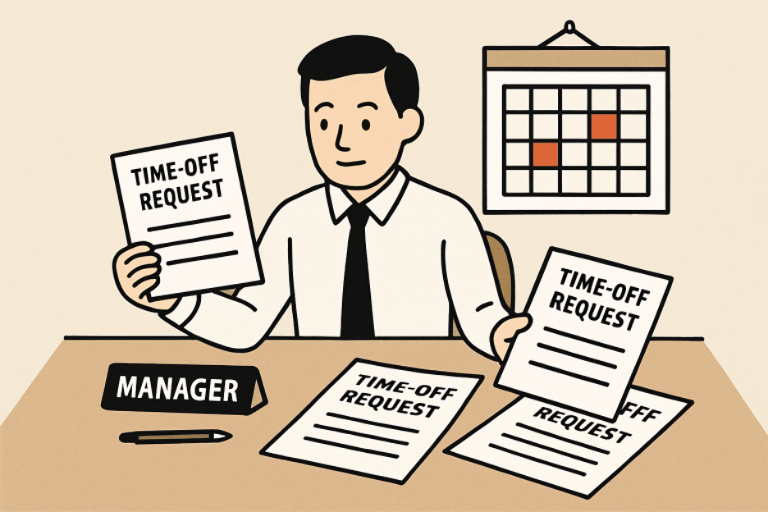
Managers face the challenging task of balancing business demands with employees’ needs for rest, personal time, and rejuvenation. A fair and effective approach to handling time-off requests is crucial. Done well, it can prevent resentment, reduce workload bottlenecks, and improve overall team morale. However, navigating these requests is not always easy, especially when it comes to handling declines or unpopular decisions.
For step-by-step advice on how to deny a vacation request, Axcet HR Solutions offers an in-depth guide covering both legal obligations and empathetic communications. Axcet HR Solutions specializes in outsourced HR services, including leave management, compliance, and employee relations for small to mid-sized businesses.
Their resource shares practical approaches managers can take, including when and how to communicate denials respectfully. As a trusted HR partner, Axcet serves clients across the Midwest, making it an authority on complex workplace issues such as time-off management.
Managing multiple requests during popular vacation seasons can be difficult. Transparent systems for reviewing and approving leave are essential not only for equity but also for trust. Employees who understand the process are more likely to accept outcomes and plan their time sensibly. Inconsistent or vague practices often result in confusion and staff dissatisfaction.
The key to success, especially in today’s dynamic work environment, lies in having clear guidelines and maintaining open communication. Modern technology further streamlines and supports these efforts, reducing administrative headaches for managers and helping teams cover workloads seamlessly.
Let’s explore, step by step, how managers can navigate this important aspect of people management while simultaneously boosting employee satisfaction and operational efficiency.
Establish Clear Time-Off Policies
An effective leave policy is the cornerstone of fair time-off management. Clearly state the process for submitting requests, any required advance notice, and periods when leave may be restricted (e.g., during business-critical seasons). Make the policy easy to find and fully accessible, whether through the employee handbook or a digital workplace portal.
Well-drafted policies eliminate ambiguity. Employees need to know how much leave they are entitled to, when they can take it, and the expectations around notice and approvals. When new staff are onboarded, ensure the time-off policy is explained in detail, and provide regular reminders to existing staff as business priorities shift.
Implement a Fair System for Overlapping Requests
Overlapping time-off requests are a common challenge. Addressing them fairly should take precedence; otherwise, you risk alienating valued team members.
Consider These Approaches:
- First-Come, First-Served: This straightforward approach rewards those who plan early. It can reduce last-minute schedule disruptions and encourage planning ahead.
- Seniority-Based: This method recognizes long-term employees, though it’s important to avoid favoritism to avoid perceived unfairness over time.
- Rotational System: For recurring busy periods, rotate approvals among staff. Record who received priority last year, for instance, and give someone else the opportunity next time.
Choose a system that aligns with your company’s values. The most important factor is transparency. Make sure all team members understand how decisions are made and where to access explanations if needed.
Utilize Technology for Efficient Management
Technology can transform time-off tracking from a manual headache into a seamless process. Modern leave management and HR software tools make it easy to log, review, and approve requests, approvals, and schedule changes.
- Track employee availability and accrued leave balances to avoid over-granting time off.
- Maintain a real-time shared calendar so everyone can see approved days off and areas that may need extra coverage.
- Set up automatic reminders or notifications of upcoming leave, so coverage can be arranged well in advance.
Lowering the administrative burden allows managers to focus on higher-value activities while providing employees with visibility into their requests and balances. For a selection of recommended HR platforms for small and mid-sized businesses, see SHRM’s roundup of HR technology solutions.
Encourage Open Communication
The foundation of a successful time-off process is communication. Encourage employees to raise their requests as early as possible and to talk to you directly if there are scheduling conflicts or urgent needs. Foster a culture where staff members work collaboratively, swapping shifts or volunteering to cover each other where appropriate.
Open-door policies help managers quickly resolve misunderstandings, set fair expectations, and collaboratively solve scheduling challenges before they become major problems. Employees who feel heard and respected are more likely to be flexible when requests cannot be granted.
Be Flexible and Empathetic
Strict adherence to policy may be tempting, but real-life issues like family emergencies or sudden illness require managers to show empathy. Flexible managers support their team’s well-being and foster loyalty. When exceptions occur, explain your reasoning and document cases for reference and future fairness.
Being flexible also means offering creative alternatives, such as part-day leaves or shift swaps, when full days off are not possible. For more insight on cultivating empathy and adaptability in the workplace, Harvard Business Review offers a helpful resource on building a culture of empathy.
Monitor and Review Time-Off Trends
Regularly reviewing time-off records can reveal valuable patterns. If certain individuals are repeatedly denied leave, or some periods are constantly oversubscribed, use this data to adjust staffing or tweak the policy as needed. These proactive steps help ensure equity and prevent burnout.
Analyze information objectively, considering both operational needs and employee satisfaction. Thoughtful reviews promote continuous improvement and demonstrate to employees that management is committed to fairness and a positive work culture.
Lead by Example
Managers who respect their own time-off policies send a powerful message about the importance of self-care and work-life balance. When leaders take breaks and respect the established guidelines, they create an environment where employees feel safe to do the same.
Champion a healthy work environment and take pride in demonstrating the behavior you expect from your staff. Such leadership reinforces policy credibility and sets the standard for your organization’s culture.
Conclusion
Managing time-off requests goes far beyond policy enforcement. By combining fairness, transparency, technology, and a genuine people-first attitude, managers can balance business needs with employee well-being. The result is a loyal, productive team and a reputation as a great place to work.