
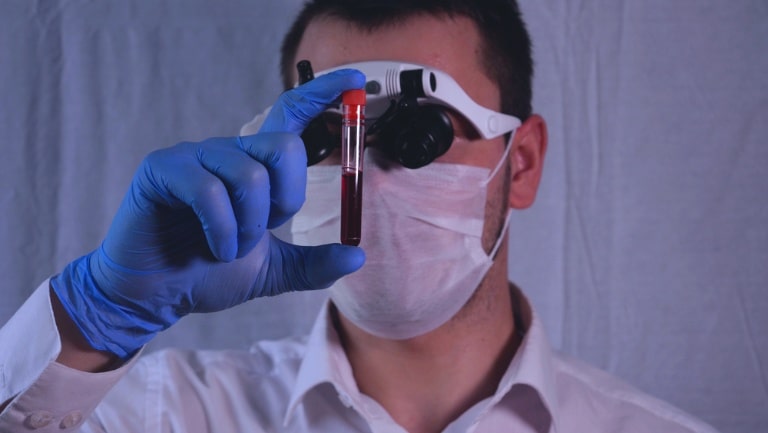
Bloodborne pathogens (BBPs) are harmful germs found in human blood that can cause serious diseases, like hepatitis B, hepatitis C, and HIV. People who work in places like hospitals, clinics, or even cleaning jobs may be at risk of coming into contact with these pathogens.
To keep workers safe, BBP Certification teaches them how to avoid exposure and what to do if an accident happens. Read on.
What Is BBP Certification?
BBP Certification is a training program that teaches workers how to avoid exposure to bloodborne pathogens. The certification ensures workers understand how these pathogens spread, how to protect themselves, and how to respond if exposure occurs.
For many businesses, it’s not just a good practice but a legal requirement under the Occupational Safety and Health Administration (OSHA) standards. Visit a reputable program to further understand what this certification is. Check out https://cprcertificationnow.com/products/bloodborne-pathogens-certification to learn more.
Why BBP Certification is Important
The OSHA Bloodborne Pathogens Standard (29 CFR 1910.1030) requires employers to provide employees with training on preventing BBP exposure. This is especially important for people who work in environments where blood or bodily fluids are common, like:
- hospitals
- clinics
- labs
- janitorial services
Without proper training, employees may be unaware of the dangers they face or how to handle an accidental exposure. BBP certification ensures that workers have the knowledge and tools to protect themselves and others, reducing the risk of serious health consequences.
Key Components of BBP Safety Training
BBP safety training covers several key areas that are essential for reducing the risk of exposure to bloodborne pathogens. Here are some of them:
Understanding Bloodborne Pathogens
The training explains what BBPs are, how they spread, and how workers can be exposed. This foundational knowledge helps workers recognize potential risks in their environment.
Exposure Control Plan
Employers must have safety plans in place to reduce risks, and employees must learn how to follow these plans. Knowing the steps to take helps prevent exposure before it happens.
Personal Protective Equipment (PPE)
Workers are taught how to use gloves, masks, and other protective gear to stay safe. Proper use of PPE greatly reduces the chance of coming into contact with harmful pathogens.
Post-Exposure Actions
The training shows workers what to do if they’re exposed, like cleaning the area, reporting it, and getting medical help. Immediate action is crucial to reducing the risk of infection after exposure.
Recordkeeping and Reporting
Employees learn how to properly report exposure incidents and keep records to ensure safety. This ensures compliance with regulations and helps improve future safety measures.
Benefits of BBP Certification
BBP Certification is beneficial for both employers and workers. For employers, it helps them stay in compliance with the law and avoid fines. For workers, it ensures they understand how to protect themselves from serious health risks.
The training also boosts worker confidence, knowing they have the skills to handle any exposure incidents. Overall, BBP training helps create a safer work environment and reduces the risk of accidents or lawsuits.
Get a BBP Certification Today
BBP Certification is important for anyone working in environments where they could be exposed to blood or bodily fluids. The training helps workers understand the risks, how to protect themselves, and what to do if exposure occurs. By ensuring that workers are properly trained, businesses can create a safer and healthier workplace, reducing the chances of serious health problems and improving overall safety.
If you want to read more articles, visit our blog.