
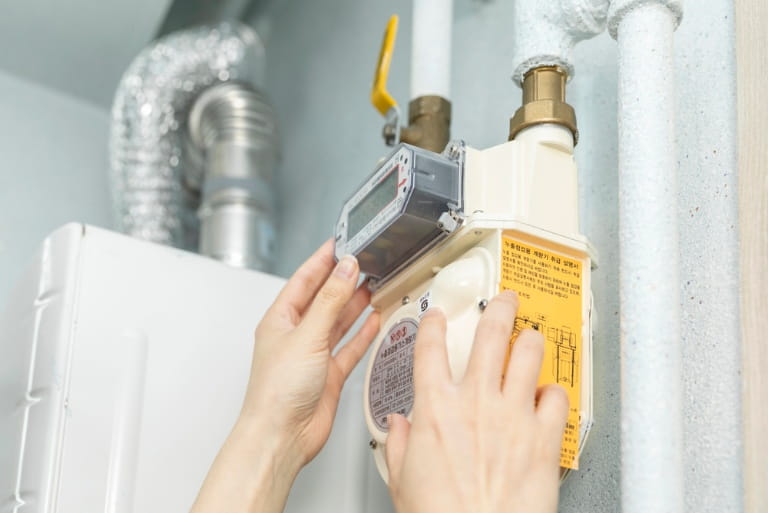
Installing a new water heater can seem daunting, but with careful planning and the right information, homeowners can complete the job safely and efficiently. Understanding the key steps and important factors helps avoid headaches down the road. If you live in the Hamilton area, you can install a new water heater in Hamilton with the help of trusted local professionals, or follow this guide to handle much of the process confidently on your own.
Proper installation is vital for the long-term performance, safety, and efficiency of any water heater. It’s important to account for local building codes, safety procedures, and your home’s unique hot water needs so the process goes smoothly and your new appliance runs well for years to come.
Before you get started, be sure to factor in the specific requirements of your household and area, as well as the type of water heater you plan to install. Taking the time to understand these aspects will prevent issues such as leaks, inefficiency, or even hazardous situations.
There are several steps to consider, from choosing the right unit to post-installation maintenance. Proper knowledge and preparation can save you money, protect your investment, and prevent costly mistakes.
Choosing the Right Water Heater
The first step in any successful water heater installation is deciding which type of heater is best for your needs. Think about your household size, daily hot water consumption, and preferred energy source. For example, a family of four generally does well with a 40 to 50-gallon traditional tank, while smaller or energy-conscious households often prefer tankless models for on-demand hot water and reduced energy consumption.
- Capacity: Pick a unit that matches your peak household usage to ensure everyone has enough hot water for showers, laundry, and dishes.
- Energy Source: Evaluate whether electric, gas, propane, or solar works best, keeping fuel costs, availability, and infrastructure in mind.
- Type: Traditional storage tanks are reliable and straightforward, while tankless or hybrid models are more efficient and save space.
Obtaining Necessary Permits
Before you begin any installation, check with your municipality’s building department for permit requirements. Most areas require permits for water heater installations to ensure compliance with local codes and safety standards. This not only protects your home but can also prevent fines or issues with insurance claims in the event of a problem.
Preparing for Installation
Preparation is crucial for an efficient installation. Choose an installation site with adequate ventilation and sufficient space for setup and future maintenance. Gather tools such as pipe wrenches, screwdrivers, tubing cutters, and any necessary pipes, fittings, insulation, or sealant.
Most importantly, ensure all safety procedures are followed: turn off the water supply, shut down the power or gas supply, and allow the old heater to cool before removing it.
- Location: Pick a place close to water lines and drains but away from potential hazards or moisture-sensitive areas.
- Tools and Materials: Double-check you have everything needed within reach before starting the project.
- Safety Measures: Always work with power off and avoid exposure to hot surfaces or pressurized systems during removal and installation.
Step-by-Step Installation Process
- Remove the Old Unit: Drain the existing heater completely, disconnect both water and power lines, and dispose of the old unit through a licensed recycling service or in accordance with municipal guidelines.
- Install the New Unit: Place the new heater on a stable, level surface. Connect the water inlet and outlet using new pipes and fittings, making sure all seals are tight and comply with plumbing codes.
- Connect Energy Source: Reconnect the electrical wiring or gas supply according to the manufacturer’s instructions. Use Teflon tape or pipe compound for gas lines, and check every connection carefully for leaks.
- Test the System: Open a hot water tap to release air, slowly fill the heater with water, then check all fittings for leaks. Once full, restore power or relight the gas pilot and monitor the unit’s operation.
Common Installation Mistakes to Avoid
Avoiding mistakes during installation ensures your investment works properly and safely. Using a water heater that’s too small or too large reduces efficiency, while improper venting on gas models risks dangerous carbon monoxide buildup. Ignoring local building codes, rushing the electrical or gas hook-up, or skipping essential testing can lead to future headaches or void warranties.
- Incorrect Sizing: Always size your heater based on maximum expected simultaneous use.
- Improper Venting: Follow manufacturer and local code requirements for exhaust venting on gas models.
- Ignoring Local Codes: Even for DIY projects, always adhere to state, provincial, or municipal requirements.
Post-Installation Maintenance
Maintaining optimal performance and efficiency for your new water heater requires routine care. Annual checks should include looking for leaks, testing the pressure relief valve, and inspecting for corrosion around joints. Regularly flushing tank-type heaters removes sediment buildup, maintains capacity and efficiency, extends equipment life, and lowers long-term operating costs.
- Annual Inspections: Ensure there are no leaks, rust, or faulty valves.
- Flushing the Tank: Drain and remove sediment at least once a year.
- Testing the Pressure Relief Valve: Lift and release the lever to ensure it operates freely and expels water when pressed.
Energy Efficiency and Incentives
Modern water heaters now deliver impressive energy-saving performance, from high-efficiency tank units to tankless and hybrid heat pump models that significantly reduce energy consumption and utility costs. Choosing an ENERGY STAR®-certified unit can lead to lower monthly bills and fewer greenhouse gas emissions, while also making your home eligible for multiple rebate programs.
In Ontario, homeowners in Hamilton can access provincial incentives such as rebates for ENERGY STAR heat pump water heaters and high-efficiency tank or tankless systems under programs like the Home Renovation Savings Program and local utility offerings, for example, heat pump water heater rebates of around $500 and additional rebates for efficient tank or tankless models.
On the federal level in Canada, the Canada Greener Homes Grant helps offset the cost of installing an eligible ENERGY STAR heat pump water heater with a rebate (plus funds toward pre- and post-upgrade energy evaluations), and provincial and utility incentives can often be stacked for even more savings.
Together, these programs help reduce both upfront investment and long-term operating expenses, making energy-efficient water heaters a smart choice for Hamilton homeowners looking to upgrade their systems and lower their environmental footprint.
When to Call a Professional
While self-installing a water heater may appeal to avid DIYers, many homeowners benefit from hiring a licensed installer. Professionals can handle complex gas, electrical, or plumbing connections safely, ensure compliance with local codes, and maintain the manufacturer’s warranty.
If you are uncertain about any part of the installation process, or your system involves gas lines or electrical components, it is best to rely on a qualified expert for peace of mind.
Following these steps enables homeowners to secure a safe, effective water heater installation, guaranteeing reliable hot water service while minimizing risks and maximizing efficiency throughout the appliance’s life.