Residential communities serve as the backdrop of countless human interactions, and the importance of fostering social bonds within them cannot be overstated. However, creating diverse socializing opportunities in these settings often presents challenges.
Communities aiming to cultivate connections and engagement must go beyond traditional methods and actively craft environments that appeal to a broad range of residents. These communities are the ones likely to thrive and flourish in the ever-growing global tapestry.
Understanding Community Dynamics
A successful community understands its demographic mix and tailors social activities that address this diversity. Areas with young families might benefit from weekend family fairs or playgroups, while communities with a large senior population could see success with book clubs or garden meetups. Tailoring events to accommodate different age groups, cultural backgrounds, and interests ensures no one is left out of the conversation.
To grasp an in-depth understanding of the community dynamics, it isn’t only about demographics but also about recognizing the shifting needs and preferences over time. Surveys can be a magnificent tool in gauging interest and gathering feedback for improvement.
Periodic kickoff meetings where residents can voice their ideas for activities can serve as springboards for innovative and inclusive planning. These insights empower leaders to align activities with resident desires while fostering a sense of community stewardship.
Utilizing Physical Spaces
One often overlooked aspect of community dynamics is the use of shared physical spaces. Parks, community centers, and even rooftops can be transformed into vibrant social hubs. Organizing regular “open space” days where residents can gather, enjoy potlucks, or partake in DIY workshops can create a lively atmosphere. If the weather permits, communal outdoor movie nights or seasonal markets can offer a change of pace and environment, encouraging residents to step outside their usual routines.
Adding an element of experimentation to the use of physical spaces keeps interactions invigorating. For example, an art walk showcasing local artistic talents can utilize diverse locations within the neighborhood, leading residents on a creative journey. Implementing community “pop-up” spaces, such as a temporary coffee cart or vendor stall, can provide an unconventional yet compelling focal point for interaction without requiring a long-term setup commitment.
Embracing Technological Tools
While physical spaces play a pivotal role, technology is equally beneficial in creating new socializing opportunities. Private neighborhood apps or social media groups allow residents to coordinate events effortlessly, discuss shared interests, and post alerts about impromptu meetups. Virtual platforms can connect geographically dispersed individuals, enabling book clubs or interest groups that defy physical boundaries. Such initiatives can foster a sense of belonging, even from afar.
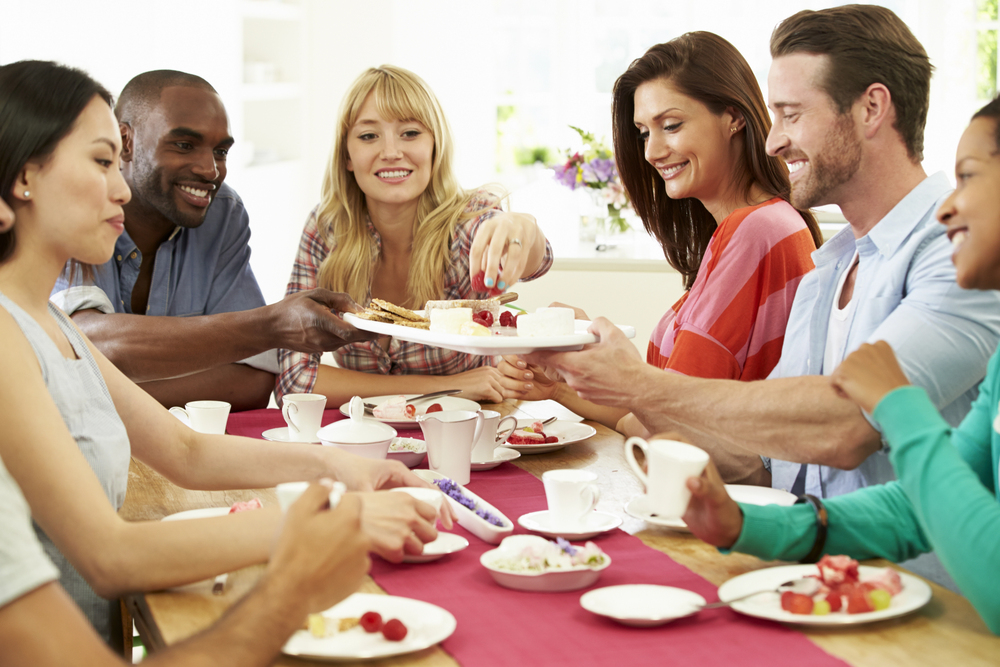
An engaging way to ensure everyone has a great time during gatherings is to incorporate fun and unique party games into the mix. These games, requiring minimal supplies, can provide an evening full of laughter and interaction, bridging the gap between traditional meetups and virtual interactions. Such opportunities enhance the overall experience and encourage more residents to participate.
Virtual interactions should be perceived as complementary to face-to-face gatherings. Hosting online discussion boards or monthly virtual trivia nights enriches the spectrum of engagement options beyond tangible settings. To encourage comfortable virtual participation, include tutorials on using the chosen technology to minimize barriers to entry. Mingling digital interactions with traditional meetups can broaden participation and cultivate a multi-layered community network.
Fostering Inclusivity and Belonging
A significant factor in creating vibrant communities is promoting inclusivity. Encouraging resident participation in community decision-making or hosting cultural festivals that celebrate diversity can be energizing. When individual identities are recognized and celebrated, it creates a sense of unity. Moreover, by actively involving community members in the planning of events, a sense of ownership and engagement emerges, strengthening social ties.
Beyond cultural festivals, inclusivity flourishes when each resident finds a place to express their interests and passions. Incorporating talent showcases or skill-sharing workshops provides residents a platform to shine while inviting others to learn new crafts. These events cultivate an environment where distinct talents and personalities are embraced, highlighting that everyone adds unique color and vibrance to the community portrait.
Innovative Event Planning
To prevent social activities from becoming stale or monotonous, it’s crucial to think outside the box. Introducing interactive game nights, hosting poetry slams, or even organizing “theme” days where residents can dress up and transform the environment can add flair. Novel, surprising events generate excitement and anticipation, prompting more community members to participate and engage.
Collaborative planning meetings involving residents can be fertile grounds for establishing inventive event themes or even seasonal calendars. Utilizing resident skills like graphic design for event promotions can amplify excitement while fostering a participatory culture. When diverse talents are woven into event planning, the synergy enriches the innovation and appeal of the activities, enticing broader participation.
The Power of Partnerships
Collaborating with local businesses or civic organizations can amplify the socializing potential of residential communities. Partnering with nearby coffee shops to host “residence exclusive” mornings or arranging talks with local history groups can help tap into additional resources and networks. Such collaborations enrich the community experience and offer residents opportunities to explore and learn beyond the confines of their neighborhood.
Partnerships needn’t be limited to established businesses alone. Involving local startups or entrepreneurial initiatives can provide mutually beneficial exposure while adding novelty to community interactions. This approach nurtures a pathway for budding enterprises to garner support from residents, fostering a symbiotic relationship that strengthens both the local economy and communal ties.
Conclusion
Creating diverse socializing opportunities in residential communities requires intention, creativity, and a commitment to understanding resident needs. Successful communities embrace both traditional methods and innovative ideas to engage and connect individuals.
When a community invests in its social fabric, it not only enhances the quality of life for its residents but also lays the groundwork for a harmonious, supportive environment. The rewards of such an investment are manifold, fostering vibrant communities that can stand the test of time.