
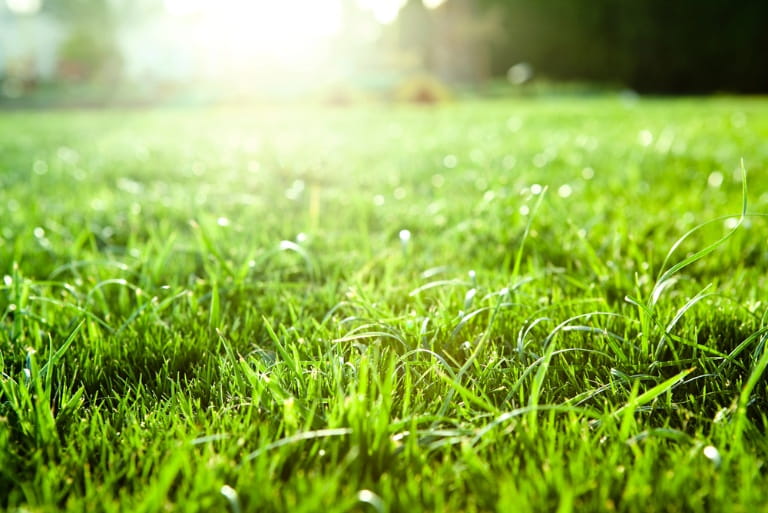
A healthy, green lawn takes regular care and attention. Many homeowners struggle to keep grass thick and free of weeds. Simple steps like mowing, watering, and fertilizing make a big difference.
Small routines can prevent pests and dry patches. Regular care keeps your yard looking neat and inviting. Knowing the right techniques saves time and effort.
Check the tips below to learn the best lawn maintenance practices for a greener, healthier yard.
Regular Mowing for Healthy Growth
Mowing is one of the most basic yet important parts of lawn maintenance. Grass should be cut regularly to encourage strong growth. Avoid cutting more than one-third of the blade at a time. Consistent mowing prevents weeds from spreading. Grass clippings can be left on the lawn to provide natural nutrients.
Use sharp blades to make clean cuts and avoid damage. Adjust mowing height depending on the grass type and season. Mowing patterns can be alternated to reduce soil compaction. Regular mowing keeps your lawn looking tidy and promotes a thicker, healthier yard.
Proper Watering Techniques
Watering is essential for lawn health, but overwatering can cause problems. Lawns generally need one to one and a half inches of water per week. Water early in the morning to reduce evaporation and fungal growth. Deep, infrequent watering encourages stronger roots.
Avoid shallow watering that promotes weak surface roots. Using sprinklers ensures even coverage across the lawn. Check soil moisture to prevent dry spots. Watering schedules may change based on weather conditions. Proper watering keeps grass green and resilient.
Fertilization for Growth
Fertilizing provides the nutrients grass needs to grow strong. Choose a schedule that suits your grass type and climate. Apply fertilizer evenly to prevent burn spots. Fertilizers with nitrogen promote leaf growth, while phosphorus strengthens roots.
Organic options can improve soil health over time. Avoid fertilizing before heavy rain to prevent runoff. Follow instructions carefully to ensure safe application. Fertilization improves the overall density and color of the lawn. Regular fertilization supports a healthier yard year-round.
Weed Control Strategies
Weeds compete with grass for nutrients and water. Manual removal works for small patches. Herbicides can be applied carefully to target specific weeds. Mulching can prevent weed seeds from taking root.
Mowing height also affects weed growth. Healthy, thick grass naturally suppresses weeds. Spot treatments are better than broad applications to reduce chemical use. Regular monitoring helps catch weeds early. Weed control keeps lawns neat and maintains a consistent green color.
Aeration and Soil Care
Aeration improves soil structure and root growth. Using a core aerator removes small plugs of soil. This process reduces compaction and improves water absorption. Aeration allows nutrients and oxygen to reach roots more effectively.
Fall or spring are ideal times for aeration. Lawns with heavy traffic benefit the most. Aeration can also reduce thatch buildup. Follow aeration with fertilization for best results. Healthy soil supports a stronger, greener lawn.
Pest Prevention
Insects and pests can damage grass quickly if left unchecked. Regular inspection helps catch problems early. Natural predators can reduce pest populations without chemicals. Certain treatments can control specific pests without harming grass.
Keeping the lawn healthy makes it more resistant to pests. Avoid overwatering, which can attract insects. Lawn edges and shaded areas need special attention. Proper pest control prevents bare patches and disease. A strong lawn is easier to maintain and less prone to infestations.
Seasonal Cleanup
Seasonal cleanup prepares lawns for growth periods. Remove leaves, branches, and debris to prevent suffocation. Raking in fall and spring helps reduce thatch and improves air circulation. Dead grass should be removed to allow new growth.
Seasonal cleanup also prevents mold and fungi. Mulching debris can return nutrients to the soil. Proper cleanup makes mowing easier and more effective. Consistent seasonal care supports a healthier lawn year-round. Cleanup lays the foundation for successful lawn maintenance.
Edge Trimming
Trimming edges keeps lawns neat and defined. Straight or curved lines can improve the appearance of a yard. Edging prevents grass from growing into flower beds or sidewalks. Regular trimming reduces overgrowth and keeps walkways clear.
Use a sharp tool to avoid damaging grass. Edging also improves overall curb appeal. It complements regular mowing and maintenance routines. Small, consistent trimming sessions prevent large buildup. Proper edges make a yard look well-maintained and polished.
Overseeding for Thick Lawns
Overseeding introduces new grass to thin or patchy areas. It helps improve lawn density and resilience. Spread seed evenly across bare spots. Water lightly after planting to encourage germination.
Choose a seed that matches the existing grass type. Overseeding in fall or spring produces the best results. Follow up with regular watering and care. Overseeding also helps reduce weeds by filling gaps. Thick lawns are healthier, greener, and easier to maintain.
Soil Testing
Testing soil provides insight into its nutrient levels and soil pH. Proper soil balance ensures grass absorbs nutrients effectively. Kits or professional services can determine soil composition. Adjustments, like adding lime or fertilizer, can correct deficiencies. Test periodically to track changes over time.
Soil testing helps prevent over-fertilization. It supports long-term lawn health. Healthy soil reduces disease and pest susceptibility. Accurate soil knowledge guides smarter lawn maintenance decisions.
Mulching Benefits
Mulching grass clippings adds nutrients back to the soil. It reduces the need for additional fertilizer. Mulch also helps retain soil moisture. Applying mulch evenly prevents smothering the grass. Mulching in fall adds protection against winter stress.
Mulch improves soil structure and microbial activity. Avoid piling too thickly, which can damage grass. Regular mulching saves time and supports natural lawn growth. Mulching enhances overall lawn health with minimal effort.
Professional Lawn Services
Professional lawn maintenance ensures consistent results for a healthy yard. Experts provide mowing, fertilization, aeration, and pest control. They can identify and treat issues before they spread. Using services like Lawn Care Medicine Hat helps maintain schedules and proper care.
Professionals offer advice tailored to specific grass types and climates. Regular service improves lawn density and color. Professionals save time and reduce the risk of mistakes. They ensure lawns stay green through seasonal changes. Hiring experts simplifies lawn maintenance and guarantees better results.
Invest in Professional Lawn Maintenance
A healthy, green lawn requires consistent attention and care. Following simple routines like mowing, watering, fertilizing, and pest control produces lasting results. Seasonal cleanup, soil care, and overseeding further enhance lawn health.
Edge trimming and mulching improve appearance and support growth. Professional help can save time and optimize results. Maintaining a yard enhances curb appeal and creates an enjoyable outdoor space. Start applying these lawn maintenance strategies today to achieve a thriving and beautiful lawn.
For more topics, check our blog!