
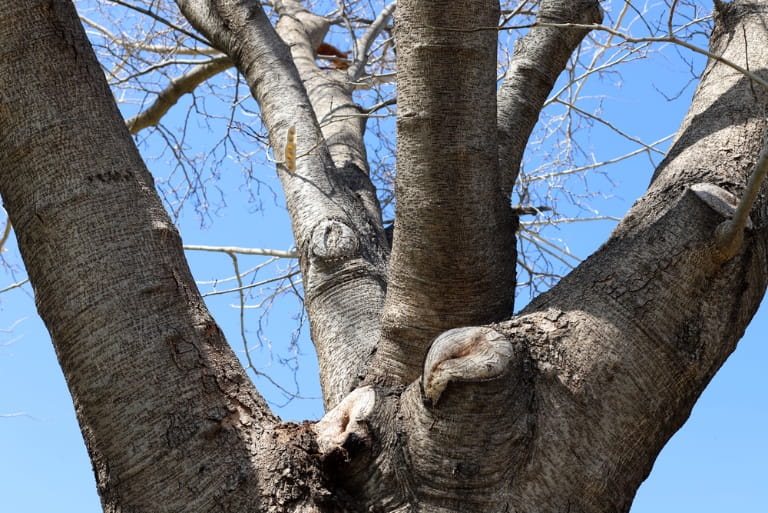
Have you ever looked at a tree and wondered why some branches are dry while others are green?
Dead branches are not just a normal sight. They can be a warning sign about deeper tree problems. They often show stress, disease, or poor growing conditions.
Careful observation can prevent expensive damage in the future. If you want clearer guidance for your trees, you may request a professional tree health check service through a local arborist provider.
Continue reading to discover everything you need to know!
Why Dead Branches Matter
Dead branches are more than just dry wood. They are signals from the tree that something is not working well inside its system. A tree depends on steady flow of water and nutrients.
When this flow is blocked, parts of the tree begin to die. This can slowly spread if ignored. Dead branches also weaken the structure of the tree and make it less stable in strong winds.
Over time, this can affect the entire canopy and overall balance of the tree. Ignoring these signs may lead to larger structural failure later.
It may also reduce the lifespan of the tree. In some cases, the whole tree may decline faster once branch death begins. This makes early detection very important for safety and health.
Common Causes of Dead Branches
Many different factors can lead to branch death. Water imbalance is a major cause. Both drought and flooding can harm roots and branches.
Pests also play a big role. They eat wood and block internal systems. Diseases can spread through the tree and damage multiple branches at once.
Weather damage is another cause. Strong storms and heat waves stress trees. Age also matters, since older trees lose strength over time.
Poor soil quality can also slowly weaken branches without obvious early signs. Human activity like cutting roots or compacting soil can also contribute to decline.
Construction work near trees is a common hidden cause of stress. Air pollution in urban areas can also weaken long-term tree health. Even nearby building vibrations can slowly affect root stability over time.
Early Signs to Watch
Early signs of branch decline are often subtle. A branch may stop growing new leaves. It may also look less full compared to other branches.
You may notice dull color or dry texture. Small cracks in the bark can appear slowly. These changes usually happen before full death.
Sometimes the branch may also bend slightly downward, showing loss of strength. Catching these signs early makes treatment easier. A slow decline over weeks or months is more serious than short-term changes.
Small changes often build up into larger problems. Branches may also feel lighter than healthy ones due to moisture loss. You may also notice fewer buds forming in the next season.
Leaf Changes as Warning
Leaves are one of the easiest ways to check tree health. Healthy leaves are bright and firm. Unhealthy leaves may become weak and fall early.
Sometimes leaves turn yellow in unusual seasons, and this is often a stress signal. In some cases, leaves stop growing completely on a branch. You may also see uneven leaf size on the same tree, and this shows that nutrient flow is not equal across branches.
Leaves may also develop spots, which can signal disease spreading inside the branch. Curling leaves often indicate water stress or pest activity.
Leaves dropping at the same time every year in one section may signal a permanent issue. Thin or sparse leaf clusters are also a warning sign.
Bark Damage Indicators
Bark protects the inner structure of a tree. When it is damaged, the branch becomes exposed and weak. You may see peeling layers or deep splits.
In severe cases, bark falls off entirely, and this leaves the wood exposed to pests and disease. Insects often enter through these damaged areas. Over time, the exposed wood becomes dry and fragile, and this increases the chance of breakage during wind or rain.
Bark wounds also heal slowly, so damage can remain for years. Repeated bark damage often signals ongoing stress in the tree. Some bark damage may look small but hide deeper internal decay, and dark streaks under bark often indicate hidden infection.
Branch Position and Risk
The location of a dead branch affects how dangerous it is. High branches can fall without warning. Gravity increases the impact force.
Branches above roofs or paths are especially risky. Even medium-sized branches can cause serious damage. Lower branches may seem safer, but they can still injure people or pets.
It is important to look at the full structure of the tree, not just visible parts. Branch angle also matters, since weak angles break more easily under pressure.
Overextended branches are more likely to snap during storms. Wind direction can also influence which branches fail first. Trees near open spaces may experience stronger wind stress.
Seasonal Changes in Branch Health
Trees react to seasonal changes. During dry months, some branches may weaken. Rainy seasons often help trees recover.
However, true dead branches do not respond to seasonal changes. They stay dry and brittle all year, and this makes them easy to identify after observing a tree for a full year cycle. Seasonal tracking helps you understand long-term patterns in tree health.
Sudden changes after storms can also reveal hidden weakness. Seasonal stress often reveals hidden internal damage.
Repeated seasonal stress can slowly weaken even healthy branches over time. Extreme weather events can speed up branch decline.
Soil and Root Health Link
Healthy roots support healthy branches. Roots absorb water and nutrients from the soil. When soil is poor, branches suffer above ground.
Compacted soil limits oxygen flow. This weakens root systems. Polluted soil can also slow growth and cause decay.
Roots may also grow shallow when soil is too hard. Shallow roots make trees less stable during storms. Root damage often shows symptoms much later in the branches.
Root rot is often hidden until branches start dying. Soil erosion can also expose roots and increase stress. Underground damage is often more serious than visible branch damage.
Water Stress Signs
Water balance is very important for trees. Too little water leads to dryness and branch death. Too much water can suffocate roots.
Branches under water stress may become brittle. Leaves may curl or fall early. Growth slows down significantly.
You may also notice soil pulling away from the trunk in severe dryness. This is a strong sign that the tree is struggling. Consistent watering patterns are more important than occasional heavy watering.
Sudden changes in watering habits can shock the tree. Long dry periods often cause irreversible branch damage. Water stress can also reduce resistance to pests and disease.
Pest Infestation Clues
Pests often hide inside branches. They slowly damage wood from the inside, and this makes detection difficult at first. You may notice small holes in bark.
Fine sawdust near the base of branches is another clue. Some branches may feel hollow when tapped. Certain pests also leave sticky residue on bark, and this attracts more insects and increases damage over time.
Ant activity around a tree can also signal hidden pest problems. Birds pecking at bark may also indicate insects inside, and pest damage often spreads faster during warm weather. Heavy infestation can weaken an entire tree structure.
Disease Effects on Branches
Tree diseases can spread quickly. Fungal infections are very common. They block nutrient movement inside branches.
Infected branches may turn dark or soft. Some may crack or break easily. In advanced stages, the disease can move to other branches.
Moist environments often increase disease spread. Poor air circulation also makes conditions worse for infected trees. Diseased branches often become weak even before visible symptoms appear.
Some diseases remain hidden for long periods before showing clear signs. Once disease spreads, recovery becomes slower. In severe cases, the entire tree may need removal for safety.
How to Inspect Safely
Inspection should always be done carefully. Start by observing the tree from a safe distance. Look for patterns of damage.
Use simple tools like binoculars if needed. Avoid standing directly under unstable branches. Never test weak branches with force.
It is better to inspect after storms when damage is easier to see. Regular observation builds better understanding of tree behavior. Recording changes over time helps track slow decline.
Inspecting during daylight gives better visibility of issues. Checking the tree from different angles helps reveal hidden problems. Wearing safety awareness during inspection is always important.
When Branches Become Dangerous
Dead branches become dangerous when they grow large or heavy. Wind can easily break them off. Rain can also add extra weight.
Branches near structures or walkways increase risk. Even small branches can cause injury if they fall from height. Multiple dead branches may indicate a larger tree problem.
If more than one section is affected, the tree may be unstable overall. Sudden cracking sounds are a warning that failure may be near.
Leaning trees with dead branches are especially risky. Storm warnings should increase attention to weak branches. Night storms are especially dangerous because damage is harder to detect immediately.
Pruning Basics for Homeowners
Pruning helps manage dead branches safely. It also improves airflow and sunlight exposure, and this supports healthier growth. Cuts should be clean and smooth.
Avoid tearing bark during removal. Tools should always be sharp and clean. It is also better to prune during dry weather to reduce infection risk.
Proper pruning supports long-term tree strength. Removing small dead branches early prevents larger breakage later.
Over-pruning should be avoided because it weakens the tree. Cutting at the correct angle helps faster healing. Proper disposal of cut branches also prevents pest spread.
Professional Tree Assessment Value
Sometimes tree problems are too complex to handle alone. A trained specialist can inspect internal and external conditions. They can identify hidden disease or structural weakness.
A tree removal company may also help assess if a tree is safe or needs removal. This is especially important when a tree shows widespread decay or instability. Their evaluation helps prevent unexpected collapse and protects nearby areas.
They can also suggest whether selective pruning can still save part of the tree. Advanced tools can detect internal rot that is not visible from outside.
Their assessment often prevents long-term safety risks. Professional evaluation can also extend the life of a partially healthy tree. Early expert review can reduce long-term maintenance costs.
Urban Trees vs Yard Trees
Urban trees face more stress from pollution and limited space. Their roots often grow in compact soil, and this reduces nutrient absorption. Yard trees usually have more space to grow.
However, they still face pests, storms, and seasonal stress. Urban heat can also dry soil faster and increase water stress. Both environments require regular observation and care to maintain balance.
Urban trees often need more frequent inspection due to harsher conditions. Sidewalk damage can also affect root systems in cities.
Road salt and construction activity can further weaken urban trees. Yard trees may still suffer from landscaping changes nearby.
Preventing Future Branch Death
Prevention helps keep trees strong for years. Proper watering is important during dry seasons. Soil should be kept loose and healthy.
Pests should be managed early before they spread. Fertilizer can help improve growth when used correctly. Avoid damaging roots during construction or digging near trees.
Small preventive steps help reduce long-term tree stress. Mulching around the base can also help retain moisture and protect roots. Consistent care is more effective than emergency fixes.
Healthy routines reduce the chance of sudden branch failure. Regular observation is one of the best prevention tools.
Role of Professional Tree Services
Professional tree services help manage unsafe or damaged trees. They handle trees with structural problems or heavy decay. They also manage complex pruning tasks.
These services can help improve tree safety in homes and public areas. They also help maintain long-term tree health through proper care methods. Regular assessment from experts can reduce unexpected tree failure, and this also helps preserve healthy trees for longer periods.
They can also recommend long-term maintenance plans based on tree species. Their experience helps identify risks early before damage spreads.
They also support recovery plans for stressed trees. They may also help manage emergency situations after storms.
Learn All About Tree Health
Dead branches are important warning signs that should not be ignored. They often reveal hidden stress inside the tree. Early observation can prevent bigger problems later.
Consistent monitoring is the key to preventing sudden tree failure. Careful maintenance also improves the overall landscape value of any area.
Did you enjoy reading this article? If so, then be sure to check out the rest of our blog for more!